Italiani sono generalmente molto consapevoli, dal punto di vista culturale, dei legami tra una ricetta particolare e le sue origini regionali. Mention that you have been to Puglia and people will immediately coo “ahhh, si mangia bene in Puglia, si mangia benissimo”. Never mind that the same people will say the same thing if you happen to mention you have been in Campania or Emilia-Romagna or Le Marche or Piemonte.
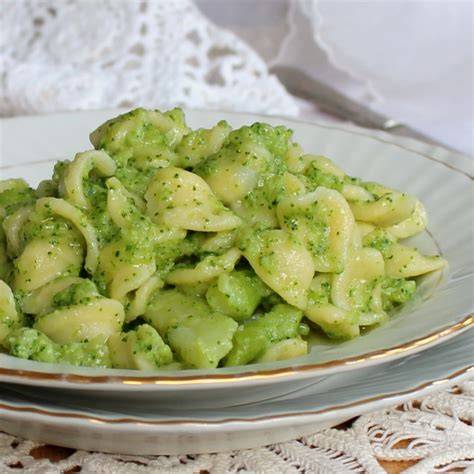
As sure as the sea is untamed and many of the beaches rocky and inhospitable, the food in Puglia is wonderful. In Puglia, the green sauce that results from the cooking down of these winter greens, perhaps with a couple of anchovies, a dried chili or two, is served with small ear-like pasta called Orecchiette, and the broccoli have been well cooked enough to form a generous sauce for the little ears.
Orecchiette, or ‘little ears’, originally comes from Puglia, but are now found all over Italy. They are like little pasta cups that are perfect for holding the sauce - in this case, little bits of crispy pancetta along with cheese and mushrooms. The classic Italian cookbook, The Silver Spoon, recommends vegetable sauces to accompany orecchiette, so a perfect combination with kale.
Orecchiette, pomodorini e funghi champignon, quelli coltivati per intenderci, che per pulirli ci vogliono meno di 5 minuti, solo perché vengono coltivati al di fuori della terra e dunque non si sporcano. Ideali per chi va di fretta oggi. La pasta è il mio comfort food, e questo si era già capito, ma la pasta fresca acqua e farina li batte tutti.
La tradizione delle orecchiette si presta a molte interpretazioni con i funghi, con la salsiccia, con le verdure e con i formaggi, ma la logica resta la stessa: una pasta piccola capace di raccogliere bene il condimento e valorizzare ingredienti semplici e saporiti. The orecchiette with mushroom and sausage sauce is a great classic of Italian cuisine that never fades, especially when the cool season approaches.
Ingredienti e combinazioni più ricorrenti
- broccoli, Cime di Rapa, anchovies, dried chili, extra virgin olive oil
- mushrooms, leek, garlic, lemon zest, parsley, basil, parmesan
- sausage, cream, rosemary, nutmeg, red pepper, cheese
- kale, sausage, pine nuts, grated cheese, black pepper
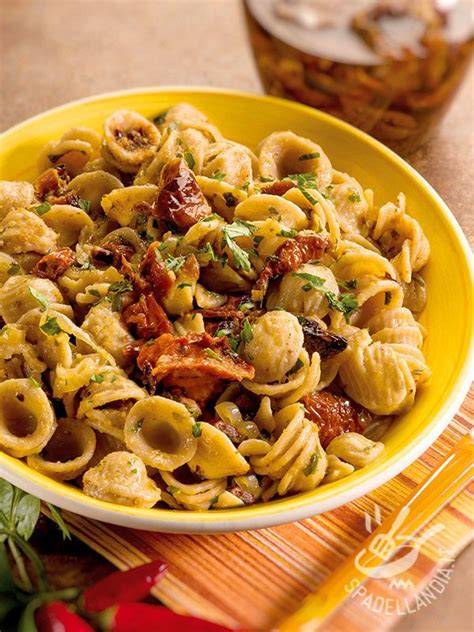
- pancetta, onions, mushrooms, chili pepper, thyme, cheese
- guanciale, pecorino, water of cooking, mushrooms
Ricetta con broccoli e acqua di cottura
Broccoli includes broccolo romananesco, a fluorescent green variety with lord of the flies looking pointy florets, along with Sicilian or regular broccoli and Cime di Rapa, which are technically turnip tops that have little, broccoli-like sproutings amongst them and are strictly winter vegetables in Italy. Any variety can be used as a base for Pasta con Broccoli or Pasta con Cime di Rapa.
Bring a large pot of water to the boil. Rinse the broccoli and cut into manageable florets. Root to sprouts is an Italian mantra; the finer stalks get cut into manageable pieces and the larger trunk of broccoli peeled to reveal the tender core, diced and in they all go.
Remove the broccoli using a small colander or slotted spoon and keep the lovely green cooking water for the pasta. In a good heavy-based saucepan, heat 2 or 3 tablespoons of extra virgin olive oil over a medium heat. Add the whole clove of garlic, a small dried chili broken in two and the anchovies. Use a wooden spoon to bash the anchovies into a kind of paste.
The cooking water! The secret to Italian pasta sauces. I have seen recipes for Pasta with Broccoli in so many foreign publications where the broccoli is bobbing around (semi-crudo) on top of the pasta. No! Once the broccoli sauce is reducing away, add the pasta to the green cooking water that has been brought to the boil add a teaspoon of salt and cook according to specified cooking times.
I like to think that some of the minerals lost in the broccoli cooking process find their way back into the pasta during this stage. Keep adding the cooking water to the broccoli sauce which at this point has the advantage of being starch enriched thanks to the pasta, this will help thicken up the sauce. Take to the table in a large ceramic pasta bowl, drizzled with a little extra virgin olive oil.
In Puglia the traditional terra-cotta table ware is marked with simple brown rims and a blue dot like flower pattern.
Ricetta con funghi, porro e limone
Clean the leek removing tougher outside leaves and the roots then slice it into rings. Remove the soil off the mushrooms, and once rinsed and well dried slice them finely. Fry the leek with a the slightly crushed garlic until soft but not golden.Add the mushrooms and cook over a high heat for 2-3 minutes. Season with a pinch of salt and a grind of pepper then sprinkle with grated lemon zest.
Cook the orecchiette in a pan with boiling salted water.Drain al dente and mix with the mushrooms; sprinkle the pasta with chopped parsley and basil (previously rinsed and dried) Mix the sauce and the pasta and serve with a sprinkle of parmesan.
Ricetta cremosa con salsiccia e funghi
This creamy comfort dish originated in the Italian village of Norcia, located in the southeastern part of the Umbrian region of Italy. The sauce reflects these regional flavors with tiny bite-size pieces of sausage and pasta in a rich cream and mushroom sauce.
I added one major twist to my version--cremini mushrooms. I chopped them up coarsely and absolutely loved how they seemed to melt right into the dish. I infused the sauce with fresh rosemary and nutmeg, and added red chili flakes for heat--all of which gave the rich cream sauce a layer of depth that kept me going back for more.
Bring a large pot of water to a boil. Salt and add pasta. Cook until al dente (about 10 minutes). Drain, reserving 1 cup of the pasta water. While the pasta cooks, remove the sausage from casings and break up into small pieces.
Heat 2 tablespoons oil in a heavy pan over medium heat and add the sausage. Add the onions and garlic cloves, saute together for 3 minutes until fragrant and soft (you don't want to caramelized the onions). Add the cream, rosemary, nutmeg, and red pepper.
Add the cooked pasta and the cheese and toss to coat evenly. If sauce is too thick, add some of the reserved pasta water. Season with Kosher salt and black pepper, to taste. Serve immediately.
PASTA con CREMA di PATATE e SALSICCIA - RICCA e CREMOSA😍💛🥔
F.lli De Cecco di Filippo S.p.A - Zona Industriale, via F. 9861. Customer Care +39.085.45486570.
The orecchiette with mushroom and sausage sauce is a great classic of Italian cuisine that never fades, especially when the cool season approaches.In this delicious recipe, the Paesana Verzino sausage celebrates the mushroom, one of the most typical and loved products of this season to give life to a dish with a warm and autumnal flavor, ideal to enjoy with friends and relatives.The unique taste of the Peasana Verzino AIA sausage perfectly accompanies the recognizable flavor of the mushrooms, an ingredient capable of making a difference in this recipe. To complete the recipe, not just any pasta shape, but the orecchiette. Let yourself be conquered by this first course easy to prepare and delicious to taste on many occasions: whether it is a Sunday lunch with the whole family, or a dinner with friends. Do you want to surprise your colleagues with a special lunch box?
Ricetta con cavolo nero, salsiccia e pinoli
As a ski instructor, a busy winter vacation week doesn’t leave much time or energy for elaborate dinners. So this past week, dinners were quick and easy. During our cycling and skiing tours in Italy, we rarely see pasta dishes that are heavily tomato sauce based; instead, we see many flavor combinations that we wouldn’t think of here in the US - pasta with beans, pasta with potatoes, pasta with all sorts of meat sauces from pork and beef to sardines, rabbit and duck. Even fruits and sweet flavors can play a role, like the apples in the Christmas lasagna from Friuli.
For the following recipe, I used what I had on hand; great garlic lamb sausages from French Hill Farm here in Maine, baby kale, pine nuts, and wonderful authentic parmegiano reggiano cheese. I used orecchiette pasta; orecchiette, or ‘little ears’, originally comes from Puglia, but are now found all over Italy. The classic Italian cookbook, The Silver Spoon, recommends vegetable sauces to accompany orecchiette, so a perfect combination with kale.
Be liberal in salting the pasta water. Add salt until the water tastes like the sea, as I was coached in culinary school. Cook just until al dente, and use a good quality dried pasta. We want a nice, somewhat firm texture. Reserve a bit of pasta water to loosen up the sauce.
In a large sauté pan, cook the sausage over medium low heat until just done. In the same sauté pan, increase the heat to medium and add the kale. Cook until tender, then add the garlic and cook until aromatic, about 1 more minute. Add the cooked sausage and stir to combine. Season with the red pepper flakes, salt and pepper.
Bring a large pot of water to boil. Add salt until the pasta water is salty like sea water. Cook the pasta until just al dente - you want the pasta to have some firmness, not mushy. Add the cooked orecchiette to the sautéed kale and sausage. Stir to combine, adding a bit of the reserved pasta water if you prefer it a bit looser in texture. Stir in the pine nuts and grated cheese, and season to taste with ground pepper.
Ricetta con pancetta e funghi
My favorite short pasta shape is orecchiette, which means "little ears". They are like little pasta cups that are perfect for holding the sauce - in this case, little bits of crispy pancetta along with cheese and mushrooms. Pancetta is simply Italian bacon that is not smoked. It is cured with various aromatics and sometimes peppercorns and has a wonderful taste. It is sold either in solid chunks, sliced paper thin or in little cubes. My favorite way to buy it is in little cubes, so I don't have to dice it all up.
Put a large pot of water to boil on the stove for the pasta (I do not salt the water in this instance since the pancetta adds saltiness to the dish). Heat a large saute skillet over medium low heat. Spray with a little cooking spray and add the pancetta. Fry pancetta until crisp, about 8 minutes. Remove with a slotted spoon onto paper towels to drain.
Add pasta to boiling water and stir. While pasta is cooking, add one tablespoon of extra virgin olive oil to the skillet in which you fried the pancetta. Add the onions, mushrooms, chili pepper and black pepper. Add about ¼ cup of water to the pan. Toss everything together well.
Cook over medium heat for about 10 minutes, stirring occasionally. Mushrooms should be golden and greatly reduced in volume and most of the liquid should be evaporated. Lower heat. Add the thyme and cook over low heat for one more minute.
Return pancetta to pan, along with 2 tablespoons of olive oil. Stir mixture. Test pasta to make sure it is done (it should be al dente - don't overcook it) and remove from pot with a strainer and add to the sauce, letting a little pasta water transfer over with the pasta. Turn off heat and add cheese. Mix well. Taste pasta and if it needs a little salt, add it at this point. Add the fresh parsley and mix well.
Ricetta con funghi, guanciale e pecorino
Prima di iniziare a preparare un piatto è sempre bene avere pronti tutti gli ingredienti. Dunque, lavate e sgocciolate velocemente i funghi (se, come me, avete comprato quelli già affettati), altrimenti tagliateli a pezzetti piccoli dopo averli lavati. Sì, certo. Prendete i funghi, puliteli rimuovendo eventuali residui di terra e tagliateli a pezzi.
In una padella mettete uno spicchio d’aglio schiacciato e l’olio extra vergine d’oliva. Accendete il fuoco a fiamma moderata e attendete che l’aglio diventi dorato, a questo punto aggiungete i funghi. A cottura quasi terminata aggiungete un pizzico di sale.
Successivamente tagliate il guanciale Franchi a cubetti e fatelo rosolare in padella senza aggiungere burro, olio o altri grassi. A questo punto procedete con la cottura della pasta: mettete sul fuoco una pentola con abbondante acqua salata e non appena raggiungerà il bollore tuffatevi le orecchiette. Prelevate un bicchierino di acqua di cottura che utilizzerete per creare la crema di pecorino.
Scolate la pasta e aggiungete a più riprese il pecorino grattugiato. Scolate la pasta e fatela saltare in padella aggiungendo i funghi e il guanciale. Spegnete la fiamma e aggiungete , il pecorino e l’acqua di cottura fino a creare una bella crema.
tags: #orecchiette #con #i #funghi